NC · LLC formation
Form LLC in NC
North Carolina LLC formation is a common choice for Research Triangle and Charlotte-area businesses — ClearFormation files with the NC Secretary of State and includes NC registered agent service in every plan.

North Carolina formation at a glance
Key fees, timing, and compliance rules for forming a limited liability company in North Carolina with the North Carolina Secretary of State.
State filing fee
$125
Processing time
5-7 business days
Filing agency
North Carolina Secretary of State
Registered agent
Required — physical NC street address
Annual report
Annual Report — $200, due April 15
Franchise / business tax
None for LLCs by default

How to form an LLC in North Carolina
- 1
Choose a compliant name
- Your name must include "LLC" or "Limited Liability Company".
- It must be unique on North Carolina Secretary of State records.
- Search before you file.
- Words like "bank" may need approval.
- ClearFormation runs a name check before we submit your Articles.
- 2
Appoint a registered agent
- North Carolina requires a registered agent with a physical NC street address.
- They must accept lawsuits and state mail during business hours.
- A commercial agent is for when you don't have a local street address or can't be there during business hours.
- ClearFormation includes agent service in all 50 states.
- 3
File Articles of Organization
- File with the North Carolina Secretary of State and pay $125.
- Processing is usually 5-7 business days.
- You will list your name, agent, principal address, and management type.
- ClearFormation prepares and files online for you.
- 4
Create an operating agreement
- Not legally required in North Carolina, but every company should have one.
- It sets ownership, voting, and profit splits.
- Banks often ask for it.
- Included with ClearFormation.
- 5
Apply for an EIN
- You need an EIN to open a US bank account, hire staff, and file federal taxes.
- The IRS issues EINs for free.
- ClearFormation can file Form SS-4 for you — including for non-US founders without an SSN.
- 6
Get the licenses and permits your business needs
- State approval does not replace city, county, or professional licenses.
- Check local North Carolina rules for your industry.
- Contractors, restaurants, and healthcare often need extra permits.
- 7
File annual reports and stay compliant
- North Carolina requires the Annual Report ($200), due April 15.
- None for LLCs by default.
- ClearFormation tracks deadlines and pre-fills your report.
Form your NC LLC now
We prepare the filing, include a NC registered agent, and walk you through the rest.

Typical timeline after you file
Day 0 — Submit filing
Pay $125 to the North Carolina Secretary of State. Online filings in North Carolina usually process in 5-7 business days.
Week 1 — Get stamped articles
Save the approved formation document. You need it for banking.
Week 1–2 — EIN and bank account
Apply for a federal tax ID, then open a business checking account. See our EIN guide.
Week 2–4 — Operating agreement and licenses
Sign your internal rules. Check city and county license rules for your industry.
Ongoing — Compliance calendar
File the Annual Report ($200), due April 15.
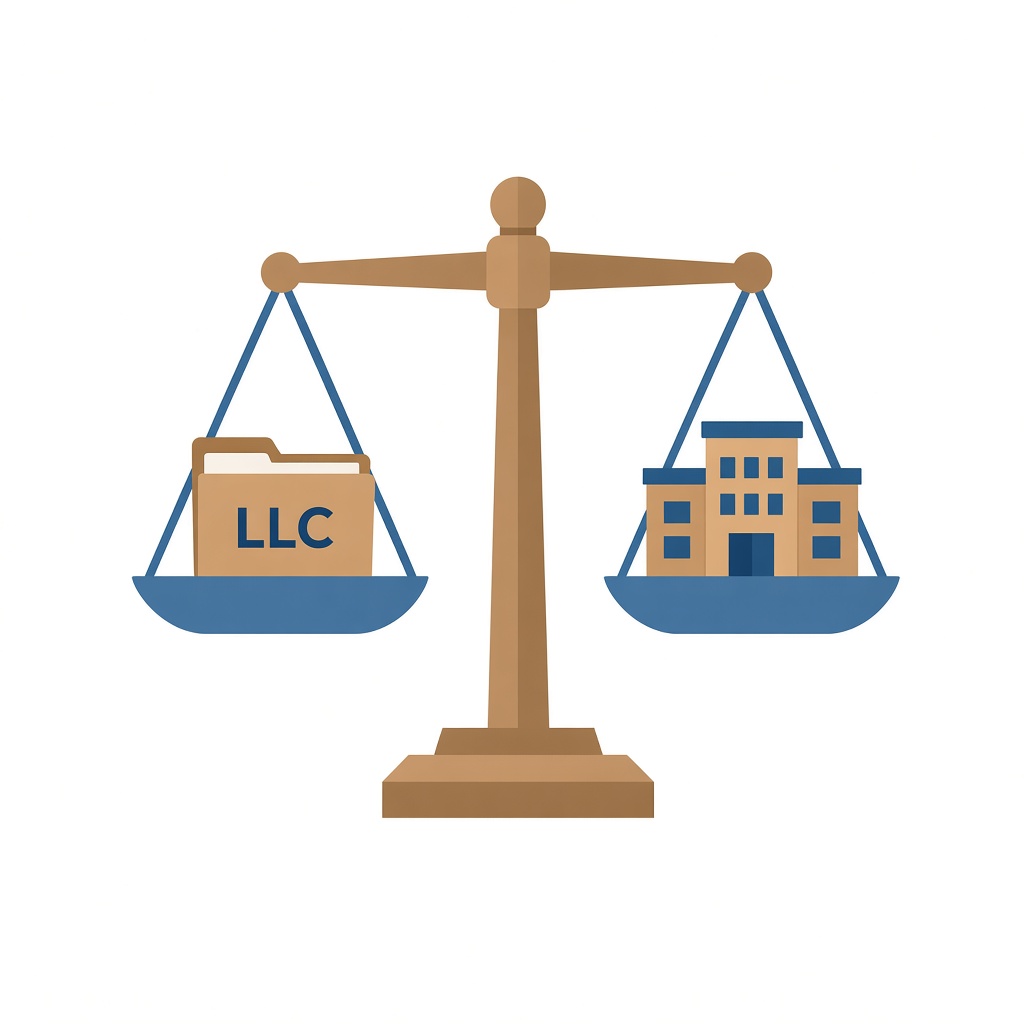
LLC vs corporation in North Carolina: which should you form?
Most North Carolina founders ask this exact question. Both entities give you the same personal-liability shield. The real differences are taxes, ownership, and the kind of capital you can raise. A corporation can be taxed as a C-Corp or an S-Corp — that is a tax election, not a different state filing.
Form an LLC in North Carolina if
- • You're owner-operated or have a small group of founders and want pass-through tax (no corporate-level tax).
- • You don't plan to raise from US institutional venture capital.
- • You want minimal ongoing paperwork — no required board meetings, no shareholder formalities.
- • You're a consulting business, ecommerce store, agency, real-estate holding company, or freelancer.
Form a corporation in North Carolina if
- • You plan to raise from venture capital, angels via SAFEs, or eventually go public.
- • You want to issue stock options to employees (an ISO plan requires a C-Corp).
- • You need multiple share classes (preferred for investors, common for founders).
- • You're targeting a strategic acquisition where the acquirer expects a clean cap table.
Raising venture capital? Most US VC-backed startups incorporate as a Delaware C-Corp — see our LLC vs C-Corp guide. An LLC in North Carolina is usually the right fit for operating businesses that won't take priced VC rounds.

Out-of-state companies doing business in North Carolina
If your company was formed elsewhere but you operate in North Carolina, you typically need to foreign-qualify with the North Carolina Secretary of State. That means filing a Certificate of Authority (or equivalent), appointing an in-state registered agent, and paying a state fee. Domestic formation in NC is different — you file Articles of Organization as a new entity.

Who usually forms in North Carolina?
Most NC filings come from founders who live or work in the state. Common examples:
- Freelancers and consultants who want a liability shield
- Local shops, agencies, and professional services firms
- Real-estate investors holding property in North Carolina
- E-commerce brands with customers or inventory in the US
- Non-US founders who need a US entity and bank account
Pick North Carolina when you have real ties here. If you only operate elsewhere, your home state (or the state where you work) is usually cheaper than forming in NC and then foreign-qualifying.
North Carolina formation FAQs
Also for North Carolina founders: Form a corporation in North Carolina · North Carolina registered agent
Ready to form your NC LLC?
Everything you need to launch and maintain your North Carolina company.